The Pantheon of the Eternal Gods
Who are the gods and what do they rule?
Gods are beings of the upper planes (or beings from the material planes who have gained the power to shape a material plane – those are only on their way to godhood). They are nothing like mortals: each of them embodies a fundamental force of existence and can directly alter how material worlds are made.
The kinds of gods
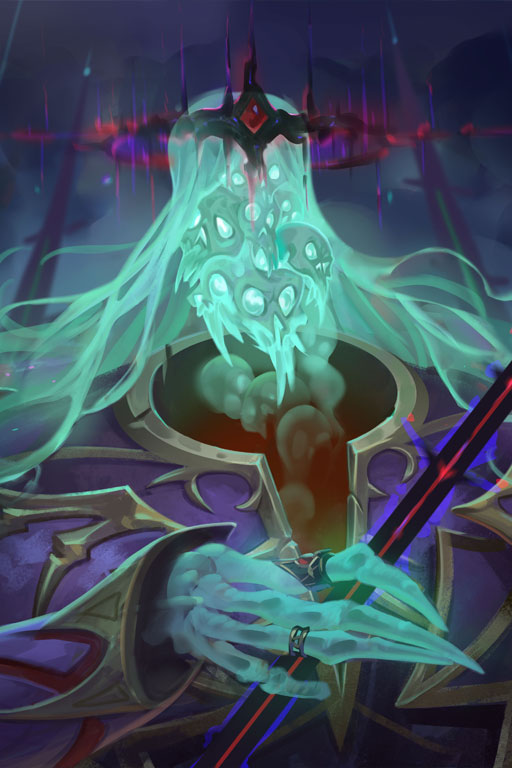
Eternal gods – the highest beings there are. They stand at the head of the fantasy pantheon and have no equals. They rule everything and control everything. They are the source of what is called eternal magic (EG). An Eternal god may have a pantheon of its own, of gods who serve it.
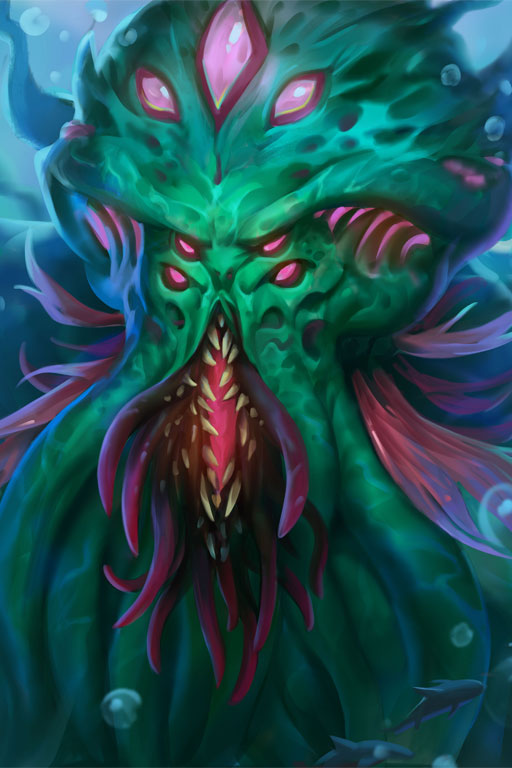
For example: Erlik, Lord of the Devouring of Souls.
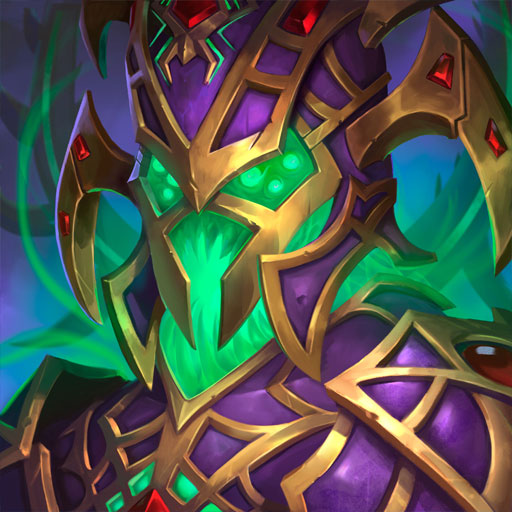
Gods – beings who live one plane “below”: in the planes of the Angels or of the Varkhs. They are very powerful, and often servants of the Eternal gods. Some may be “kin” to the Eternals, others servants and companions. As a rule it is they who form the link of power between the material planes and the planes of the gods. They are the source of divine magic.
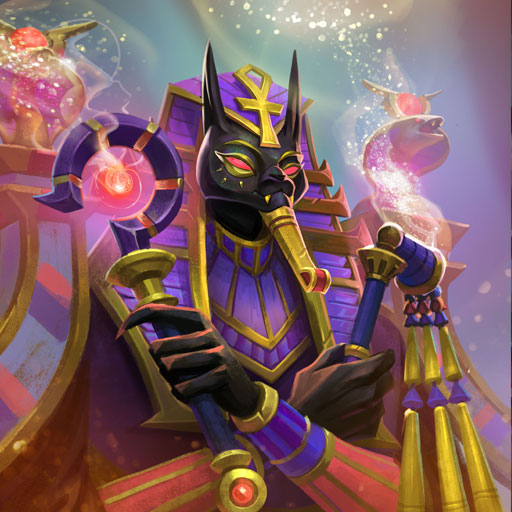
For example: Eltor, Angel of Balance.
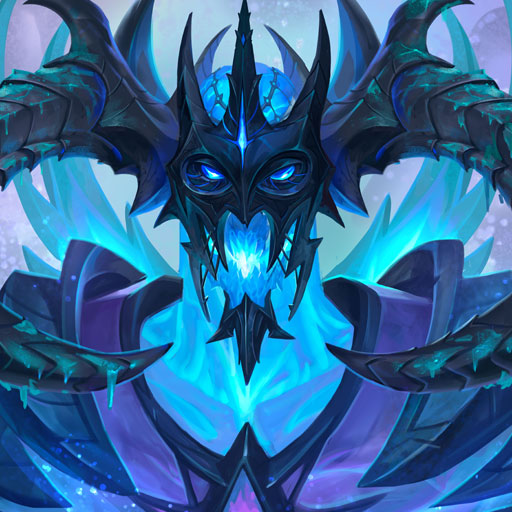
Outer gods – avatars of gods from other spheres. Enigmatic entities, comparable to embodiments of gods within the material world. Some of them exist only as avatars in the divine planes.
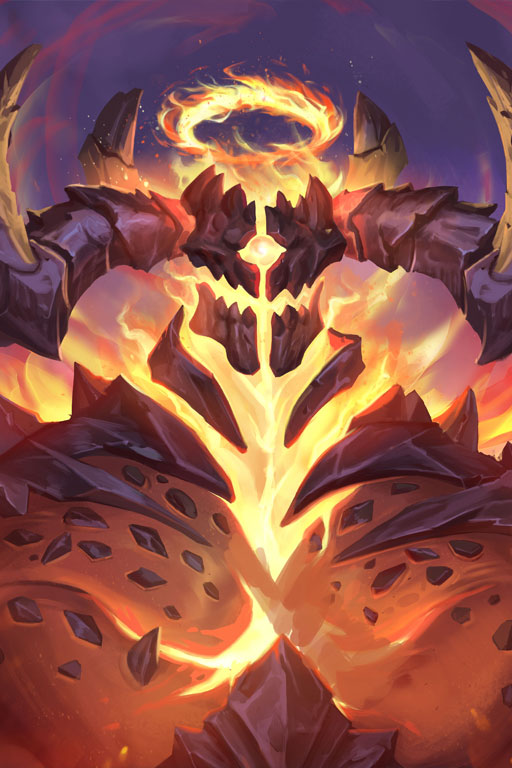
Pseudo-gods – beings from the material planes who devoured souls for so long, and grew so swollen with power, that they came to rival gods in might. They try not to cross the gods directly, and busy themselves instead with swallowing material worlds whole, cutting them off from the threads.
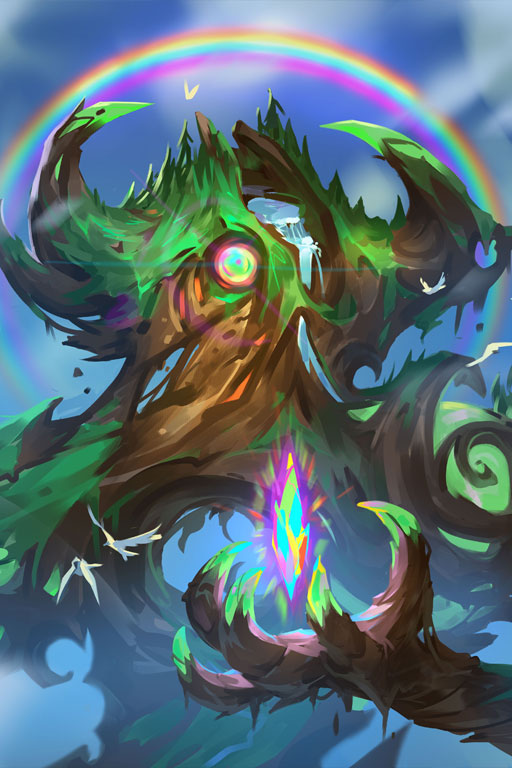
For example: Pom, Devourer of Worlds.
World gods – beings of no great might by divine standards, living inside one particular material world. Their strength depends on their patron gods, on the number of their followers and on other things. Within their own world they may be honoured as true gods, with a church or a cult of their own. Such beings can exist independently or serve other gods. In time some are able to rise: by becoming pseudo-gods, for instance. Others may earn the right to move into the plane of the gods and become gods in full.
What drives the gods
Every Eternal god, god and pseudo-god has motives of its own, and those motives can be entirely opaque to mortals of the material planes. But broadly, two things unite them: “collecting” souls to gain power, and reshaping material worlds so that the collecting goes better. An endless war runs against the demons, who want to break into the planes of the gods, cast them down and become gods themselves.
An endless struggle runs for the souls of mortals in the worlds. More souls give the gods more power, and power is what keeps them in their place. The demons do not lag behind, and collect souls just as tirelessly. Eternal gods are usually occupied with matters mortals find “incomprehensible”. But their servants can take on the form of avatars and descend into the material planes to recruit followers.
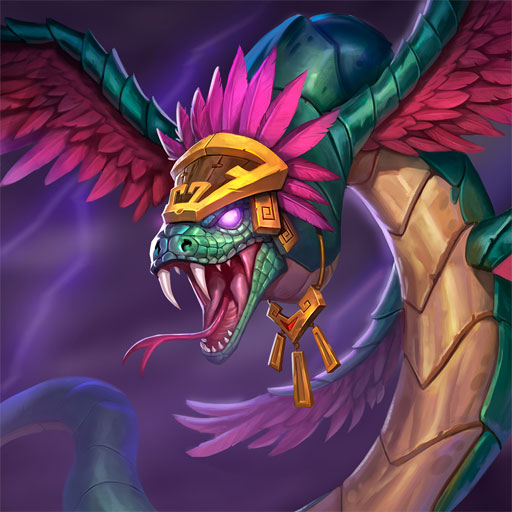
So, for instance, Wurm’Talek, a god of the retinue of Zath Ilztran, spends his time “flirting” with mortals, promising them the riches under the earth. The god of buried wealth and of the miner’s craft. That breeds cults and churches, and the souls of their followers feed, in the end, the power of the Eternal god.
Pom, the Devourer of Worlds, is simply a being obsessed with growing its own power. A blind force that destroys worlds, devours every soul in them and reshapes them according to its own idea of good. Demons, for example, would not do such a thing – they collect souls only to plan their seizure of the gods’ place. What Pom does differs little in outline from what the gods do: gather souls to be stronger, and change worlds.