The kinds of magic and where they come from.
Elemental magic (EM) – available to everyone, always, on any planet of the material world. Its power and its source lie in the planet itself. Mages, spirits, magical creatures: all of them draw magic from the “ground”.
Divine magic (A) – divine, or angelic, magic. Angels grant it in return for worship and service. But a creature does not have to seek the gift out. Angels grant the ability to the world at large, which makes using it a little like elemental magic.
Eternal magic (EG) – the magic of the Eternal gods. The Eternal gods grant it themselves. They do so very rarely and very selectively. Why a being that powerful would decide to share its strength often remains unclear.
Demonic magic (D) – the magic of demons. Demons grant it for service or for favours. One may reward a slave of its own with magic; another will pay for sacrifices brought to it.
The source, and the working of magic.
The source of elemental and divine magic is the world itself. Anyone can draw on that power – provided, of course, they know how.
The other kinds of magic are sustained by the influence of mighty beings from other worlds.
This matters: if the “path” of that influence is cut, the magic becomes unavailable.
Working magic normally takes words of power and gestures. Artifacts can act as conduits for power and amplify the effect.
The price of using it
Every use of magic has its price.
Calling on elemental magic wearies the mage and drains their body.
Divine magic can feel “free”, but it is paid for by whoever grants it. Most often an angel or a god.
Angels give power in life and take the soul into service after death. That almost sounds fair.
Demons work much the same way, but their terms are far worse: from maiming the body to unmaking the soul itself.
In short, everyone who grants a creature magic can call in the debt for using it.
The strength of magic.
Here is something worth understanding: a wizard’s skill does not make magic stronger. The strength of magic depends on the conduits – on who grants it, and on whether artifacts are used to amplify it. The very same spell will have a different effect for exactly that reason. A wizard’s skill only affects how hard the spell is to work at all, and how much of their own strength it costs them.
The pillars of mastery.
Mastery in magic comes down to inborn talent, the patience to study, and a balanced hand in using it.
The ordinary road for a mage is this: a gifted student studies spells and the history of magic diligently, and uses that magic very carefully, only when needed.
Advancing in divine or demonic magic has another side to it – serving gods or demons. In return for that service those beings can give a follower more and more power.
But as already said, there will of course be a price. Even priests who serve the light lose themselves in time, becoming in effect avatars of angels. For the servants of demons, losing the soul is easier still. Either way the soul will be lost. The only question is where it ends up worse.
How common and how available magic is.
Magic is rare. The gift falls to very few of the living, and fewer still have the qualities needed to develop it.
More often magic is the lot of the servants of demons, who are given that power for service. But those demons do not meddle in the affairs of ordinary mortals, or meddle only rarely. For a truly mighty demon, seizing a world and devouring every soul in it is a trifle. So small a trifle that it is not worth the attention.
Mages most often enter the service of kings and rulers.
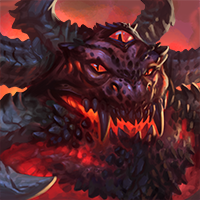
“Blood for the blood god! Skulls for the throne of skulls!”
Society regards magic with deep mistrust – unless, of course, it is clear that the mage serves the ruler.
Questions about how widespread magic is:
- Do people know magic exists?
Yes. There are stories, rumours and legends. - How far is magic woven into society?
It stands apart from daily life. It belongs to a few. - Who can use magic?
Only the gifted. Commoners among them are exceedingly rare. - Is magic considered acceptable?
Yes, with reservations. Where it comes from matters. - Is magic respected?
Rather not. It is feared, despised or envied. - How is magic studied and controlled?
States keep institutions to study, control and regulate it. - Is magic hidden or secret?
No. It is known about, but out of reach for most.